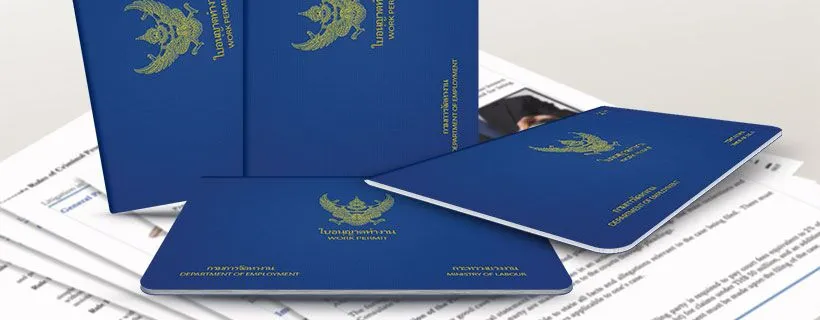

Translation and legalization in Thailand are essential legal and administrative processes that ensure foreign-language documents are officially recognized by Thai authorities—and that Thai documents are accepted abroad. These procedures are frequently required for immigration, business registration, court proceedings, marriage and family matters, education, and cross-border transactions. Because Thailand places strong emphasis on formal authenticity and accuracy, even minor procedural errors can result in rejection or significant delays. This article provides an in-depth explanation of translation and legalization in Thailand, including legal principles, required procedures, common use cases, and practical considerations.
1. Legal basis and administrative rationale
Thailand operates under a civil law system that requires official documents to be in Thai for use before government agencies, courts, and registrars. Foreign-language documents are not legally effective unless they are properly translated and, where required, legalized.
Legalization serves two primary purposes:
-
To verify the authenticity of a document
-
To confirm the authority of the issuing official
Translation ensures that Thai authorities can accurately understand and rely on the document’s contents. Together, translation and legalization establish formal evidentiary reliability.
2. When translation and legalization are required
Translation and legalization are commonly required in situations involving:
-
Visa and immigration applications
-
Marriage, divorce, and family registration
-
Business incorporation and licensing
-
Court litigation and notarized affidavits
-
Property ownership and land registration
-
Education and employment verification
-
Powers of attorney and commercial agreements
The exact requirements depend on the authority involved and the purpose of the document.
3. Certified translation requirements in Thailand
Language standards
Thai authorities require that foreign documents be translated into Thai, even if an English version is already available. English translations alone are typically insufficient for official use.
Translator qualifications
Translations must generally be:
-
Accurate and complete
-
Performed by a qualified translator
-
Accompanied by a certification statement
While Thailand does not have a single centralized licensing system for translators, government agencies often expect translations from experienced professionals or recognized translation firms.
4. Accuracy and legal consistency
Thai authorities place high importance on substantive accuracy, not just linguistic fluency. Translators must ensure:
-
Legal terms are correctly rendered
-
Names, dates, and numbers are consistent
-
Formatting reflects the original document
Inaccurate translations may be rejected outright or cause legal complications later.
5. Legalization of foreign documents for use in Thailand
Legalization confirms that a foreign document is genuine and issued by a competent authority.
Typical legalization steps
-
Notarization in the country of origin (if required)
-
Authentication by the issuing country’s competent authority
-
Legalization by the Thai embassy or consulate abroad
Once legalized, the document may be translated into Thai for use in Thailand.
6. Role of the Thai Ministry of Foreign Affairs (MFA)
In many cases, documents—both Thai and foreign—must be submitted to the Legalization Division of the Thai Ministry of Foreign Affairs.
The MFA:
-
Verifies embassy or consular authentication
-
Confirms the legitimacy of signatures and seals
-
Issues official legalization stamps
MFA legalization is often the final step before a document can be accepted by Thai authorities.
7. Legalization of Thai documents for use abroad
Thai documents intended for overseas use must also undergo legalization.
The general process includes:
-
Issuance of the original Thai document
-
Translation into the destination country’s language (if required)
-
Legalization by the Thai Ministry of Foreign Affairs
-
Authentication by the relevant foreign embassy in Thailand
Each destination country may impose additional or unique requirements.
8. Apostille considerations
Thailand is not a party to the Hague Apostille Convention. As a result:
-
Apostilles are not issued in Thailand
-
Foreign apostilles may not be sufficient for use in Thailand
-
Full embassy legalization is typically required
This distinction is a common source of confusion for international applicants.
9. Translation and legalization in immigration matters
Immigration authorities frequently require legalized and translated documents, including:
-
Birth certificates
-
Marriage certificates
-
Divorce judgments
-
Police clearance certificates
-
Affidavits and declarations
Any inconsistency between documents can result in delays or rejection of applications.
10. Translation and legalization in court proceedings
Thai courts require:
-
Thai-language pleadings and evidence
-
Properly translated foreign documents
-
Legalized documents where authenticity is relevant
Courts may refuse to consider untranslated or improperly legalized evidence, regardless of its substantive importance.
11. Business and corporate use cases
Foreign companies operating in Thailand often need legalized translations of:
-
Certificates of incorporation
-
Articles of association
-
Board resolutions
-
Powers of attorney
These documents are commonly submitted to the Department of Business Development and other regulators.
12. Common mistakes and risks
Frequent issues include:
-
Using uncertified or informal translations
-
Translating before legalization when sequence matters
-
Relying on apostilles where embassy legalization is required
-
Inconsistent spelling of names across documents
-
Submitting outdated or incomplete documents
Such errors can significantly delay legal or administrative processes.
13. Sequencing and procedural order
The order of steps is critical. In most cases:
-
Original document is issued
-
Document is notarized or authenticated (if required)
-
Embassy or consular legalization is completed
-
Thai MFA legalization is obtained
-
Certified Thai translation is prepared
Reversing steps can invalidate the process.
14. Timelines and planning considerations
Legalization timelines vary depending on:
-
Country of origin
-
Embassy processing times
-
Document type
-
Volume of submissions
Applicants should plan well in advance, especially when deadlines are fixed by law or regulation.
15. Practical guidance for individuals and businesses
To ensure smooth processing:
-
Confirm requirements with the receiving authority
-
Use experienced translators familiar with legal terminology
-
Maintain consistent personal and corporate information
-
Allow buffer time for legalization steps
-
Retain copies of all legalized documents
Proactive preparation reduces the risk of rejection.
16. Conclusion
Translation and legalization in Thailand are formal, detail-driven processes that play a crucial role in cross-border legal recognition. Thai authorities emphasize accuracy, authenticity, and strict procedural compliance, making these steps indispensable for immigration, business, court, and civil matters.
Whether translating a foreign birth certificate for a visa application or legalizing Thai corporate documents for overseas use, understanding the correct procedures—and executing them in the proper sequence—is essential. Careful attention to translation quality, legalization requirements, and administrative expectations ensures that documents are legally effective and accepted without unnecessary delay.